What to Do After a Texas Oilfield Explosion and When to Contact a Texas Oilfield Injury Lawyer
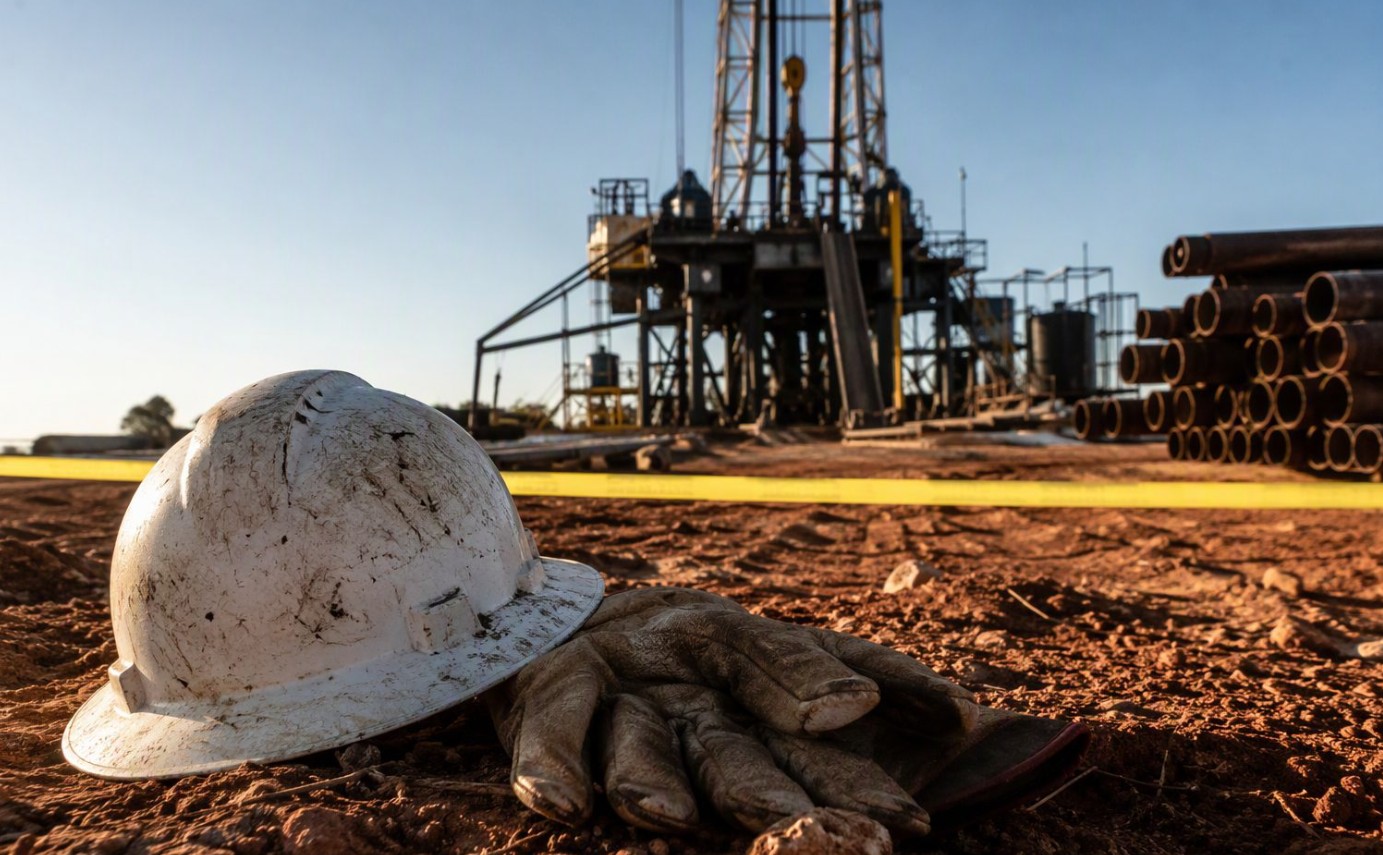
You could still be in treatment after a Texas oilfield explosion, and meanwhile your employer and other companies are already building their record. Get emergency care first; documentation can wait. Once you're medically able, report the event through your workplace's proper channel and hold on to any information you can lawfully access. Don't sign anything that confuses you. Ask for an explanation first. A Texas oilfield injury lawyer can track down company-held records before anyone overwrites or throws them away.
This guide offers general information only; it is not legal or medical advice for your specific situation.
What to Do in the First Hours and Days
In 2024, the CDC reported that Texas accounted for 1,134 of 2,101 cases, or 54 percent, of severe oil and gas extraction injury reports spanning January 2015 through July 2022. Parasram et al., 2024, reported this finding. The count covers all severe extraction injuries. Explosions account for just a slice of that number.

Put Emergency Care Before Documentation
- Move clear of fire and fumes as emergency personnel direct you, and stay away from unstable equipment.
- Get emergency treatment, and tell the medical staff about breathing trouble or changes in your hearing. Report burns as well. Mention dizziness or pain that showed up after the blast.
- Once your condition allows, report the explosion through your workplace's process. Keep a lawful copy of what you submit.
- Write down witness names and contact details, but don't pressure anyone into giving a statement.
- Stick to the facts in every communication; don't guess at causes or fault.
Blast exposure, smoke inhalation, and another traumatic injury can each produce symptoms that appear later. Follow your discharge instructions, and get medical attention if new symptoms appear or old ones worsen.
Keep Employer and Insurer Communications Factual
Hang on to emails and texts, from incident-report requests to correspondence about benefits or interviews. Save work-status notes as well. You don't have to shut down communication entirely; just keep what you witnessed separate from what you learned later. Read every document prior to signing. Keep copies, and write down when your incident report was submitted and who took it.
Evidence That Can Disappear After a Multi-Contractor Explosion
OSHA identifies fire and explosion hazards in oil and gas extraction, where flammable gases or vapors sit near ignition sources and industrial equipment. That context describes hazards; an OSHA violation alone does not prove civil liability.
Photographs and Personal Records
If you hope to preserve a possible claim after an oilfield explosion, hold on to evidence you already have or can obtain safely and lawfully:
- Photos or video shot from a spot that is safe and lawful.
- Clothing and protective gear released to you, provided keeping them is safe.
- Witness names and job roles, including employers and telephone numbers or email addresses.
- Pay records and schedules, plus training documents and safety instructions already in your possession.
Keep original files unchanged. Keep incident material off social media.
Medical and Communication Records
Keep discharge instructions and referrals alongside bills and pharmacy records. Work restrictions and messages about symptoms or missed work document treatment and its effects. Maintaining a personal file is not a formal records request; your hospital may hold additional records that you must request separately.
Equipment and Digital Records Held by Other Parties
Inspection and maintenance logs can establish equipment history. Work permits and shift reports may show the day’s activities, while training records and contractor agreements describe assigned duties. Other parties may hold surveillance video, electronic-control data, or investigation materials. A digital service provider may control some files. Never seize equipment or enter a closed scene, and never take confidential records unlawfully. Identify materials for lawful preservation before routine retention policies erase them.
When a Texas Oilfield Injury Lawyer May Help Preserve Evidence
Your employer or site operator may hold different files from the drilling and service contractors, and a property owner or equipment manufacturer may hold still others. An oilfield injury attorney in Texas can sort out which company controlled the equipment and the work at the time of the blast, then direct preservation requests to those record holders before anything disappears. A preservation request does not establish liability, and it does not guarantee access to records. Precision still counts: counsel could ask an operator to keep footage from a rig’s north-facing camera covering the hours around the explosion.
Suing After an Oilfield Accident in Texas
Employment Coverage and Third-Party Claims Are Different
You may be able to bring a civil claim after a Texas oilfield accident, but your options depend on your employer’s workers’ compensation status and from whether a separate company contributed to the explosion. The Texas Department of Insurance’s workers’ compensation guidance for injured employees explains that most private employers can choose whether to carry coverage; employers without coverage are called nonsubscribers. Coverage generally limits lawsuits against the employer, subject to specific exceptions. A separate third-party claim requires supporting facts and a legal basis.
Who Can Be Liable for a Texas Oilfield Explosion?
Possible liability depends on employment coverage and evidence of conduct or control. A company’s mere presence at the site proves little. Relevant facts include who directed the dangerous operation and who owned or maintained the equipment. A defective component’s manufacturer or supplier may matter, as may a party that created or knew about an ignition hazard. Relevant records can include contracts assigning safety or maintenance duties and evidence tying another company’s work to the blast.
Texas Filing Deadlines Require Individual Review
The General Two-Year Period Is Not the Only Clock
Texas Civil Practice and Remedies Code § 16.003 generally provides a two-year limitations period for personal injury lawsuits, measured from the date the cause of action accrues.
An internal incident report does not file a civil lawsuit or necessarily stop the limitations period. Insurance claims and workers’ compensation matters can carry their own procedures and deadlines. Workplace notices and contractual issues require separate attention. The defendant’s identity and limited tolling rules can shift timing too. Request an individual deadline review; the date of an incident report is not a safe proxy.
Practical Question After a Texas Workplace Injury
Can an Injured Worker Sue an Employer for Pain and Suffering?
Workers’ compensation generally pays medical and income benefits. Pain and suffering fall outside that system; they are civil damages. Whether an injured worker can sue the employer is governed by coverage status first. The claim’s legal basis and statutory exceptions come next. The TDI guidance cited above details the benefits available through the state workers’ compensation system and shows how to check an employer’s coverage.
Protect Your Health and Your Claim
Your recovery and a possible claim may move on different schedules. You do not need to resolve questions of fault while receiving treatment, but an organized record gives you a practical starting point. Create one dated folder. Put your medical instructions and incident communications in it, plus witness details and copies of anything you already handed to your employer or insurer.