What are the best horse racetracks in Texas?
Horse racing has served as both a major source of entertainment and a big contributor to the economy in Texas for hundreds of years. It arrived in the Lone Star State in the year 1836. While interest has fluctuated over the years, it's an attraction that continues to attract millions of visitors to the state every year.
Obviously, that's a lot of tourist dollars, which means lots and lots of jobs. Vibrant horse racing scenes have a major, often under-considered impact on the communities that experience them.
A racetrack might employ dozens of people, and the stables employ dozens more. This year-round work is a major opportunity for Texans, and that's before we even consider the benefit to local businesses of having hundreds of thousands of people filtering in and out every year.
If you are interested in betting on horse racing, you can take a more detailed look at some of the big races and contests here: https://www.twinspires.com/tournaments/
Or maybe you'd like to experience the scene firsthand. In the paragraphs that follow, we'll take a look at the best horse racetracks in Texas.
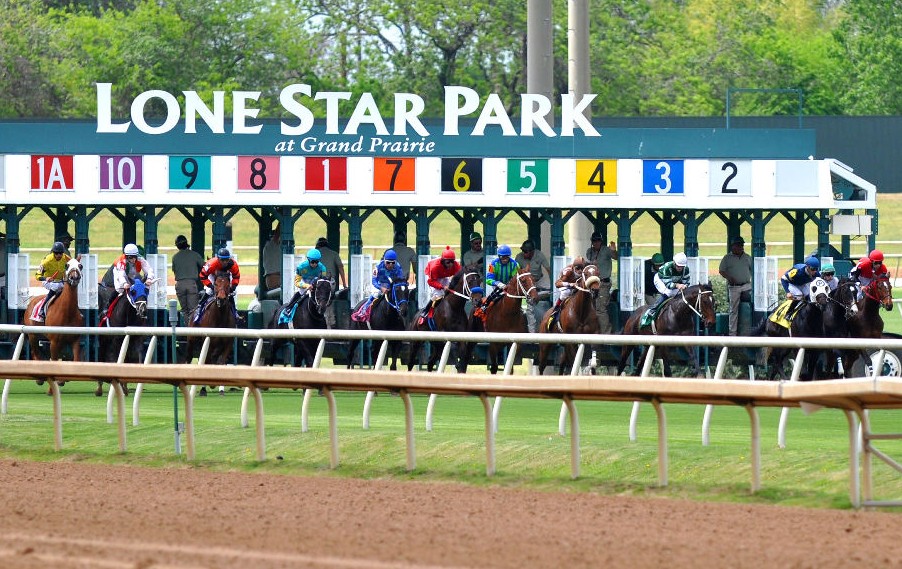
Lone Star Park
Lone Star Park is located off Interstate 30 between Dallas and Fort Worth, Texas. It's a massive property that spans over 315 acres, and that includes a 31,000 square foot bar and sportsbook area. There are two racing seasons. The thoroughbred season begins in April and runs through July.
Then there is what they call the Fall Meeting of Champions. This begins in September and ends around the middle of November. The grandstands are designed to seat about 8,000 people, and like many tracks, there are many different ways to experience the venue, from standing room to private boxes.
More than 700,000 people come out to Lone Star Park every year, making it the busiest horse racing venue in Texas.
The venue has been in operation for almost 30 years, which means that, yes, it is an early invention of Texas's embrace of pari-mutuel betting in the late 1990s.
Sam Houston Race Park
The Sam Houston Race Park is actually a little bit older than Lone Star Park, having opened its doors in 1994. As you might imagine, it's located in Houston and can seat around 20,000 people, a fairly impressive figure for a venue of its kind.
The park is multipurpose, which means that you can see racing there, but also other events, including food festivals, lots and lots of concerts, and even a camel and ostrich racing event. No betting allowed for that one but doesn’t it sound incredibly fun?
Horse racing begins in January and continues through April in the thoroughbred category. Then there are the American Quarter Horse races, which go on from April into June.
They also offer year-round simulcast viewing, which basically means watching horse racing on TV and betting in the company of others. Something you can do from home, maybe, but isn't it more fun to have company?
Retama Park
Retama Park is located in Selma, Texas, near San Antonio. It opened in 1995 and has grown considerably in the 30-plus ensuing years.
The park is most active in the summer months, when it features Quarter Horse racing. This goes on from July to September. However, there are year-round viewing opportunities for simulcast bettors who like to watch events from all over the world.
This is a smaller venue compared to the other entries on our list. Also, one that has experienced its share of difficulties over the years. In 2024, ill-timed power outages forced the venue to cancel a slew of events during its busiest season. That may not sound like a big deal, but it meant losing an enormous amount of revenue, money that the track would not be able to recover until the following year.
Which is now! The venue is currently ramping up to its busiest time of year. Here’s hoping they have a good season!
Smaller venues
There are also several smaller venues throughout the state, including the Texas Rose Horse Park and the Gillespie County Fairgrounds, both of which are mom-and-pop shops compared to the larger Lone Star Park and Sam Houston Race Park settings. Still, it's a sign of good things.
We live in a world where racetracks all over the country are closing their doors. In Texas, the game is alive and well. Part of the reason may simply be that the state has a long culture that supports racing. Horses might also fall comfortably in line with the state's branding: open skies, wide plains, freedom.
Regardless of why it's happening, it's an excellent thing for the good folks of the Lone Star State. Other communities could learn a thing or two. The economic advantages of a well-developed horse racing culture are enormous. States looking to create more jobs and generate many millions of dollars in revenue could benefit from similar initiatives.