The Tech Behind the Track: Innovations Powering the 2024 Breeders' Cup Races
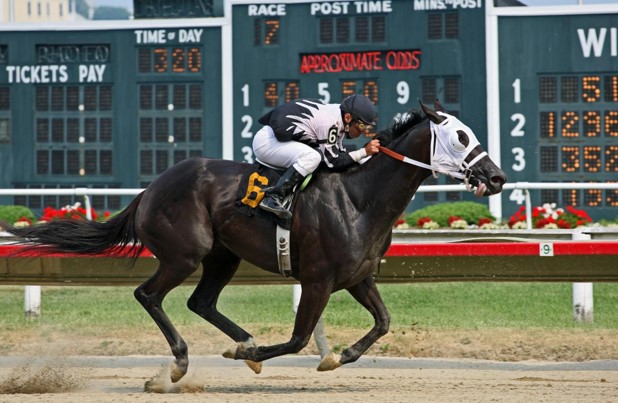
The Breeders' Cup is one of the most prestigious and exciting events in the world of horse racing, drawing fans, trainers, and competitors from across the globe. Every year, the stakes are high, and the level of competition is unmatched. But with such a large-scale event comes the need for cutting-edge technology. These advanced tools and systems make the lives of everyone involved easier, from trainers and jockeys to event organizers and spectators.
Technology has become a key player in ensuring the Breeders' Cup runs smoothly. Systems that track horse performance improve safety, and keeping fans engaged all contribute to the event's success. Here’s a closer look at the tech behind a successful race.
Performance Tracking Systems
One of the most significant technological advancements in horse racing is using performance-tracking systems. These systems utilize GPS, sensors, and biometric monitoring to monitor the horse’s speed, heart rate, and overall physical condition during training and competition. Through this data, trainers can better understand how well their horse performs and what adjustments might be needed.
In the Breeders' Cup, performance tracking systems allow trainers to monitor their horses in real time. They can observe every stride, speed change, and heartbeat, which helps them adjust training regimens and make more informed decisions on race day. For instance, trainers can intervene early if a horse shows signs of fatigue or stress, preventing potential injuries.
The impact of these tracking systems is significant. They not only help in strategizing but also in safeguarding the health of the horses. Identifying problems early can let trainers rest their horses before minor issues become major injuries, leading to better performance on the track and prolonged careers for the athletes.
Data Analytics and AI
Data analytics and artificial intelligence (AI) also play a significant role in modern horse racing. These technologies are being used to predict outcomes, analyze race performance, and even assist in Breeders cup’ betting strategies. By processing large amounts of data, AI models can provide insights into how horses are likely to perform, helping trainers, bettors, and race organizers make better decisions.
In the Breeders' Cup, data analytics analyze everything from track conditions to horse performance trends. Trainers can use this data to adjust their strategies, while fans and bettors can make more informed choices. AI-powered systems can also predict the odds of a particular horse winning, giving race enthusiasts an edge in placing their bets.
The impact of data analytics and AI is profound. These technologies not only enhance the competitive aspect of the sport but also bring a new level of sophistication to the event. Leveraging data makes the Breeders' Cup more predictable and exciting, ensuring participants and spectators have the best possible experience.
Racecourse Surface Technology
Another key innovation in the Breeders' Cup is the advanced surface technology used on racecourses. The surfaces horses run on are critical to their safety and performance, and over the years, technology has evolved to create more consistent and forgiving tracks. Many modern tracks now use synthetic surfaces or advanced turf maintenance systems that reduce the risk of injury while maintaining high-performance standards.
The Breeders' Cup relies on these innovative track surfaces to ensure the event is as safe as possible for the horses and jockeys. Synthetic surfaces provide better shock absorption, lowering the risk of falls or injuries, especially compared to traditional dirt tracks. In addition, advanced turf management systems use sensors and monitoring tools to keep track of moisture levels and turf conditions, ensuring the surface remains ideal for racing.
The impact of racecourse surface technology is profound. Safer tracks mean fewer injuries, which leads to better performance and greater confidence among jockeys and trainers. These technologies also help maintain the integrity of the race, ensuring that the best horse wins based on skill and endurance, not the condition of the track.
Veterinary Technology
Veterinary technology has also significantly impacted horse racing, especially at high-profile events like the Breeders' Cup. On-site veterinary teams can now access advanced tools like portable X-rays, ultrasound machines, and other diagnostic equipment that can quickly identify injuries or health issues.
These tools are used to monitor the horses closely during the Breeders' Cup. Veterinarians can use portable X-rays and ultrasound devices to detect fractures, muscle strains, or other issues that may not be immediately visible. This quick access to diagnostic technology allows the veterinary team to address problems before they worsen, ensuring the health and safety of the horses throughout the competition.
The impact of veterinary technology cannot be overstated. With faster diagnostics and better care, horses can recover more quickly from injuries and continue racing. This technology also reassures trainers and owners that their horses receive the best possible care, helping maintain the sport's integrity and protect the animals.
Fan Engagement Technologies
While much of the technology at the Breeders' Cup focuses on the horses and their performance, fan engagement technologies are also playing an increasingly important role. From mobile apps that provide live race updates to virtual reality experiences that let fans feel like they’re on the track, digital tools transform how fans experience the event.
During the Breeders' Cup, fans can use mobile apps to follow the races in real-time, access live-streaming videos, and even place bets. Virtual reality (VR) and augmented reality (AR) experiences give fans a new perspective, allowing them to feel more connected to the action, even if they can’t be there in person. These technologies make the event more accessible and interactive, expanding the audience beyond those physically attending.
The impact of fan engagement technologies is clear. They enhance the viewing experience and bring a new level of excitement to the races. By making the event more interactive and engaging, these technologies help attract new fans to the sport and keep long-time supporters invested in the Breeders' Cup.
Conclusion
Technology is reshaping the Breeders' Cup, making the event safer, more competitive, and more engaging for everyone involved. As these innovations continue to develop, they play a vital role in the future of horse racing. With advanced tools enhancing performance, safety, and fan interaction, the Breeders' Cup will remain a leader in the industry for years to come.