
Cherry Blossoms and Ancient Temples: The Soul of Japan
A Country of Contrasting Seasons
Japan has a remarkable ability to place the ancient and the contemporary within the same frame. A centuries-old temple can stand beside a modern railway station, while a quiet garden may be only minutes from a crowded shopping district. Across the country, traditions continue to influence everyday life without preventing cities from evolving at remarkable speed.
Few places capture this balance better than Kyoto, Tokyo and the historic regions between them. Spring brings another layer to the experience, as cherry trees transform parks, temple grounds and riverbanks with delicate blossoms.
Yet Japan's appeal extends beyond the sakura season. Its cultural heritage can be discovered throughout the year, through architecture, food, festivals, gardens and religious traditions that have shaped communities for generations.
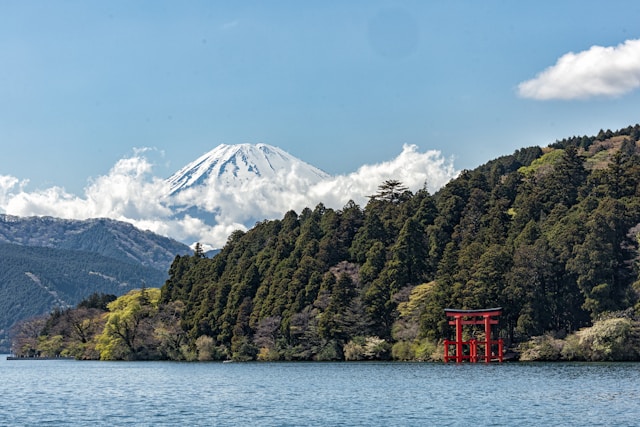
Tokyo's Ancient Corners
Tokyo is often associated with skyscrapers, neon streets and enormous crowds, but the capital also contains quieter areas where traces of its past remain visible.
Asakusa is one of the best places to experience this contrast. Senso-ji, Tokyo's oldest temple, draws visitors through the imposing Kaminarimon Gate and along Nakamise-dori, a traditional shopping street filled with snacks, crafts and souvenirs.
The temple's bright colours and elaborate details stand in contrast with the surrounding modern city. Just a short distance away, Tokyo Skytree rises above the neighbourhood, creating an extraordinary meeting point between old and new.
Meiji Jingu offers another perspective. Surrounded by a large forested area in the centre of Tokyo, the Shinto shrine provides a surprisingly peaceful environment despite its location within one of the world's largest metropolitan areas.
Sakura Season Across Japan
For travellers planning tours to Japan, cherry blossom season can be an especially memorable time to explore the country's cultural landmarks. The flowering period varies according to location and weather, generally moving from warmer southern areas towards northern regions.
In Tokyo, parks such as Ueno and Shinjuku Gyoen become popular gathering places when the blossoms appear. Families, friends and colleagues often meet beneath the trees for hanami, the traditional custom of enjoying the flowers.
Kyoto offers an entirely different atmosphere. Cherry trees surround temple gardens, line canals and frame traditional wooden buildings, creating scenes that have become closely associated with the country's springtime identity.
The blossoms themselves are short-lived, which contributes to their cultural significance. Their brief appearance has long been connected with ideas of impermanence and the changing nature of life.
Kyoto and the Imperial Past
Kyoto served as Japan's imperial capital for more than a millennium, and its historic importance remains visible throughout the city.
The Kyoto Imperial Palace occupies extensive grounds in the centre, offering a glimpse into the traditions of the imperial court. Nearby streets contain wooden townhouses known as machiya, many of which have been carefully preserved or restored.
Kinkaku-ji, often called the Golden Pavilion, is one of the city's most recognisable sights. Its gold-covered exterior reflects across a pond surrounded by carefully maintained gardens.
Fushimi Inari Taisha provides a completely different experience. Thousands of vermilion torii gates climb the wooded slopes behind the shrine, creating a long pathway through the forest.
The scale of the site means visitors can continue walking beyond the busiest areas, where the atmosphere becomes increasingly tranquil.
Gardens as Living Art
Japanese gardens demonstrate a distinctive approach to landscape design. Rather than attempting to reproduce nature exactly, designers arrange stones, water, plants and open space to create carefully considered compositions.
Ryoan-ji in Kyoto is famous for its dry landscape garden, where stones are arranged across a bed of pale gravel. Its simplicity encourages visitors to focus on proportion, space and texture.
Other gardens take a more lush approach. Moss, maple trees, ponds and carefully shaped shrubs create changing scenes throughout the seasons.
In spring, blossoms add colour to these spaces. Summer brings dense greenery, autumn introduces vibrant foliage, and winter can reduce the landscape to bare branches, stones and occasional snow.
The changing appearance reinforces one of the central pleasures of Japanese gardens: there is rarely a single moment when they look exactly the same.
Temples, Shrines and Everyday Rituals
Japan's religious heritage is expressed through both Buddhist temples and Shinto shrines. Although their traditions differ, both remain part of contemporary life.
Visitors may see people making offerings, purchasing protective charms or taking part in seasonal ceremonies. These practices are not simply historical performances for tourists but continue to hold meaning within local communities.
Temple bells, incense and wooden architecture contribute to the atmosphere of Buddhist sites, while Shinto shrines are often marked by torii gates and sacred spaces associated with particular deities.
The distinction between religion, culture and everyday custom can sometimes be difficult for visitors to define. Festivals, family ceremonies and visits to shrines often form part of ordinary Japanese life.
Nara's Sacred Deer
Nara provides another opportunity to explore Japan's early history. The city served as the country's capital before the imperial court moved to Kyoto, leaving behind some of the nation's most significant religious monuments.
Todai-ji is the most famous. Its enormous wooden hall houses a monumental bronze Buddha, while the surrounding Nara Park is home to hundreds of deer.
The animals have become closely associated with the city and are considered messengers of the gods in Shinto tradition. Visitors can purchase special crackers to feed them, although the deer are also perfectly capable of making their own demands for attention.
Kasuga Taisha, surrounded by forest, provides another memorable stop. Stone lanterns line the paths leading towards the shrine, while bronze lanterns decorate the buildings themselves.
Nara's combination of wildlife, forest and historic architecture creates a markedly different atmosphere from the intensity of Tokyo.
Japanese Food and Seasonal Flavours
Food provides another way to understand Japan's relationship with the seasons. Traditional cuisine often places considerable emphasis on freshness, presentation and the natural characteristics of ingredients.
Spring brings seasonal vegetables, young bamboo shoots and delicately prepared dishes designed to reflect the time of year. Kyoto's kaiseki tradition takes this approach particularly seriously, presenting carefully selected ingredients in a sequence of small dishes.
Street food offers a much more informal experience. At festivals and markets, visitors may encounter grilled seafood, sweet rice cakes, noodles and savoury snacks prepared in front of them.
Tokyo provides an enormous variety of regional cuisines from across Japan. Restaurants specialising in ramen, sushi, tempura and yakitori can be found throughout the capital, often with highly focused menus dedicated to one particular style.
The Tradition of Tea
Tea has played an important role in Japanese cultural history, particularly through the development of the formal tea ceremony.
Matcha, a finely ground powdered green tea, is whisked into hot water rather than brewed in the conventional Western manner. The preparation involves precise movements and an emphasis on hospitality, setting and concentration.
Kyoto remains one of the best places to encounter this tradition. Historic tea houses and cultural centres offer opportunities to learn about the ceremony and its underlying principles.
Tea culture also appears in more casual forms. Green tea is widely consumed throughout the country, while cafés have developed contemporary interpretations using matcha in desserts, drinks and baked goods.
Festivals and Living Traditions
Japan's cultural calendar is filled with festivals that bring communities together throughout the year. Some are associated with temples and shrines, while others celebrate seasonal changes, historical events or local traditions.
In Kyoto, the Gion Matsuri is among the country's most famous festivals. Elaborate floats, traditional clothing and processions transform parts of the city during July.
Tokyo has its own collection of major celebrations, including the Sanja Matsuri in Asakusa, which attracts large crowds around Senso-ji.
Smaller regional festivals can be equally rewarding. They often provide a closer look at local customs, traditional music and community life without the scale of the country's best-known events.
Beyond the Famous Cities
Japan's cultural richness continues well beyond Tokyo, Kyoto and Nara. Kanazawa offers preserved samurai and geisha districts, while Takayama is known for traditional architecture and its mountain setting.
Hiroshima provides an important historical perspective alongside its peaceful gardens and nearby Miyajima, where Itsukushima Shrine's famous torii appears to float above the water at high tide.
In the north, cities and rural communities offer a different climate and landscape. Hokkaido's broad spaces, forests and snowy winters contrast sharply with the densely settled areas around Tokyo and Osaka.
Each region contributes its own traditions, ingredients and architectural styles, making Japan far more varied than its most famous destinations might suggest.
The Enduring Spirit of Japan
Japan's cultural identity is not preserved solely in museums or ancient monuments. It survives in seasonal festivals, carefully prepared meals, temple rituals, gardens, crafts and the everyday customs of modern communities.
Cherry blossoms provide a particularly fitting symbol for this relationship with tradition. Their beauty is temporary, yet the annual anticipation surrounding their arrival continues to bring people together.
From Tokyo's historic temples to Kyoto's imperial streets, Nara's sacred forests and the countless towns beyond the main tourist routes, Japan offers opportunities to encounter both continuity and change.
The soul of the country can perhaps be found in those moments when the two meet: a shrine hidden among skyscrapers, a traditional tea served in a modern neighbourhood, or spring blossoms falling across the grounds of a centuries-old temple. These contrasts give Japan its distinctive character and make travelling through the country an experience that continues to reveal new details long after the journey has ended.


