Cychlorphine: The New Synthetic Opioid Hiding in Counterfeit Pills
A synthetic opioid estimated to be about 10 times stronger than fentanyl is turning up in fake prescription pills across the United States. The drug, called cychlorphine, has been linked to dozens of overdose deaths since mid-2025, and it slips past both fentanyl test strips and many standard toxicology screens.
Health officials in Texas, Tennessee, Louisiana, New Jersey and other states have issued warnings. Experts say the true toll is likely higher than confirmed counts, because many labs are not yet looking for it.
What is cychlorphine?
Cychlorphine is an illicit, lab-made opioid that has never been approved for human use. Its full name is N-propionitrile chlorphine. It belongs to the "orphine" family of new synthetic opioids, chemically related to brorphine and to bezitramide, an old painkiller now banned under international drug treaties.
Like heroin, fentanyl and prescription painkillers, it acts on the brain's opioid receptors, which also control breathing. The Knox County Regional Forensic Center in Tennessee estimates it is roughly 10 times more potent than fentanyl. Forensic chemists at the Center for Forensic Science Research and Education (CFSRE) place its strength between fentanyl and carfentanil, which is about 100 times stronger than fentanyl.
It is a global problem. Europe has seen nine new orphine opioids appear since 2024, including cychlorphine. It has also been found in Toronto drug-checking programs, linked to deaths in London, and banned in Germany. In the U.S., the CDC added it to its overdose death reporting system in early 2025.
Why is it so dangerous?
The main threat is how little it takes. In one confirmed Tennessee death, cychlorphine was the only drug found, measured at about 0.5 nanograms in the blood sample. A nanogram is one-billionth of a gram.
Four features make it especially risky:
- It is invisible to common tests. The White House Office of National Drug Control Policy (ONDCP) says cychlorphine is not detected by drug test strips or routine hospital opioid urine screens. A fentanyl test strip can read negative on a pill that contains it.
- It is often mixed with other drugs. It has been found alongside fentanyl, methamphetamine, cocaine and bromazolam, a sedative. Sedatives deepen breathing problems, and naloxone does not reverse them.
- Overdoses may need extra naloxone. Naloxone (Narcan) still works, but federal officials advise being ready to give more than one dose. Some early warnings claimed naloxone was "ineffective"; researchers say no published evidence supports that.
- Deaths may go uncounted. Many standard post-mortem toxicology panels do not look for it. Without expanded testing, a cychlorphine death can be recorded as a generic overdose.
The counterfeit pill problem
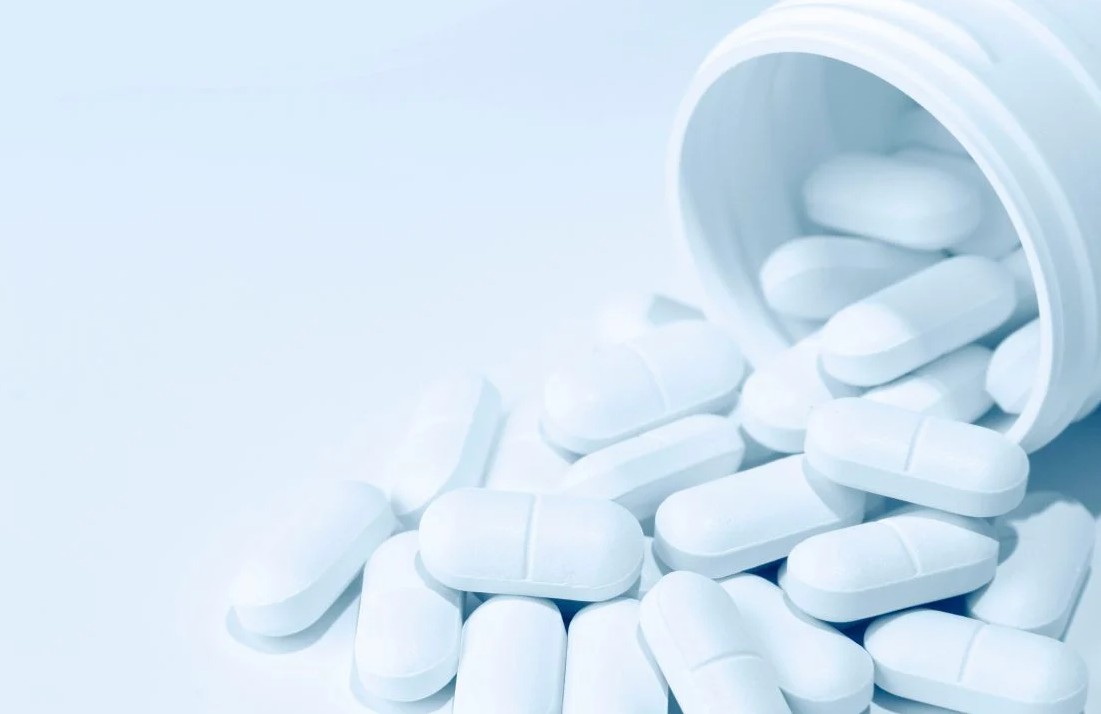
Cychlorphine is being pressed into fake pills made to look exactly like real prescription drugs. The North Louisiana Crime Lab has found it in counterfeit oxycodone tablets stamped "M30" and "K56," the markings on genuine pharmacy pills. The lab says these detections are part of a developing trend, not isolated cases.
That disguise is what makes it so deadly. A person who thinks they are taking a familiar painkiller has no way to know they are swallowing a drug many times stronger than fentanyl. Louisiana lab officials warn that a single pill could be enough to cause a fatal overdose, and that most illegal tablets they test do not contain what they claim to.
The pattern follows fentanyl's path. Louisiana chemists say fentanyl first showed up in their lab in fake M30s, and now nearly every M30 they receive contains it. The DEA found in 2022 that six in ten fentanyl-laced fake pills held a potentially lethal dose. Cychlorphine adds a new layer: it is stronger still, and fentanyl test strips can miss it.
The only safe pill is one prescribed by your doctor and filled at a licensed pharmacy.
Who is at risk?
Anyone who takes a pill or powder that did not come from a pharmacy is at risk. Officials point to several groups in particular:
- Teens and young adults buying pills online. A CDC study found adolescent overdose deaths more than doubled from 2019 to 2021, even as teen drug use fell. About a quarter involved counterfeit pills, often sold as oxycodone or Xanax through social media.
- People who self-medicate for pain, anxiety or sleep. Someone looking for a Percocet or Xanax from a friend may get a fake laced with an ultra-potent opioid.
- People who use opioids regularly. Even those with a high tolerance can overdose, because they cannot judge the strength of a drug they don't know is there. Experts also warn that news of a "stronger" drug can draw some users toward it.
- People who use stimulants or sedatives. Cychlorphine has been found mixed into methamphetamine and cocaine, and alongside sedatives that make overdoses harder to reverse.
- People who use alone. With no one present to give naloxone or call 911, an overdose is far more likely to be fatal.
Geographically, detections are concentrated in Ohio, Texas and Tennessee, according to ONDCP. It has also turned up in New York, Pennsylvania, Illinois, Louisiana, Washington, Nevada and California, among other states.
By the numbers
Cychlorphine is too new to have its own annual death count; the best federal figure is at least 55 U.S. deaths across 2025 and early 2026. That number is almost certainly an undercount, since most labs did not test for it until recently. It arrives as overall U.S. overdose deaths are falling, down almost 14% in 2025 for a third straight yearly decline.
|
Measure |
Figure |
Period |
|---|---|---|
|
All U.S. drug overdose deaths |
69,973 (provisional) |
2025 |
|
All U.S. drug overdose deaths |
81,313 |
2024 |
|
U.S. deaths involving opioids |
44,564 (provisional) |
2025 |
|
U.S. deaths involving opioids |
55,296 |
2024 |
|
U.S. deaths linked to cychlorphine |
At least 55 |
2025 to early 2026 |
|
Tennessee deaths linked to cychlorphine |
At least 41 |
July 2025 to Feb. 2026 |
|
Cychlorphine reports in U.S. drug seizures |
106 reports in 10 states (up from 1 in 2024) |
2025 |
|
Fatal cases confirmed by CFSRE |
25 (21 U.S., 4 Canada); cychlorphine the only opioid in 11 |
Through Jan. 2026 |
The toll is still climbing. In September 2026, San Francisco linked the death of a 16-year-old to cychlorphine, and four people were arrested with more than 20,000 counterfeit pills. That same month, officials in southeast Louisiana were monitoring three recent deaths tied to the drug.
Surviving is not the end of the story
An overdose that does not kill can still cause lasting harm. Opioids slow or stop breathing, and every minute without enough oxygen can damage the brain.
- Brain injury. A federal HHS review documented short-term memory loss, slower reactions, reduced motor skills and changes in behavior after non-fatal opioid overdoses. Severe cases can involve confusion, loss of movement, incontinence and paralysis. Repeated overdoses raise the risk.
- Memory loss. The hippocampus, the brain's memory center, is especially sensitive to low oxygen. Researchers have linked non-fatal overdoses to shrinkage in this region and to an amnesia-like syndrome. Symptoms can appear days or even months after the event.
- Overdosing again after rescue. Naloxone can wear off before a long-acting opioid does. A person who seems revived can slip back into overdose, which is why medical monitoring after any rescue matters.
- Addiction and withdrawal. Repeated exposure to potent opioids can lead to dependence. Experts say treatment for cychlorphine addiction mirrors treatment for other opioid use disorders.
- Lasting effects on daily life. Brain injuries can make it hard to work, study, live independently or manage relationships. Many survivors are never diagnosed, so they may not know why they are struggling.
What you can do
Health officials give the same advice for cychlorphine as for any opioid, with extra emphasis on being ready to act fast.
- Know the signs of overdose. Slow or stopped breathing, unresponsiveness, and blue or purple lips and fingernails.
- Call 911 right away. Then give naloxone (Narcan), and be ready to give a second dose if breathing does not return. Rescue breathing also helps.
- Carry naloxone. It is sold over the counter at most pharmacies and given out free by many health departments.
- Don't trust a test strip alone. A negative fentanyl strip does not mean a pill is safe.
- Never use alone. Someone present can call for help and give naloxone.
- Only take pills from a pharmacy. Never take a pill from a friend or one bought online or on social media.
- Talk to your kids. Teens may not know that a pill that looks real can be fake.
For help: call the Poison Help line at 1-800-222-1222, or the SAMHSA National Helpline at 1-800-662-4357 for free, confidential treatment referrals.
Sources
- White House ONDCP Drug Threat Notice: Cychlorphine (April 30, 2026)
- CDC NCHS: U.S. Overdose Deaths Decrease for Third Consecutive Year in 2025 (May 13, 2026)
- Journal of Pain Research: Cychlorphine, an Emerging Benzimidazolone Synthetic Opioid
- European Union Drugs Agency: Initial report on cychlorphine (2026)
- Filter: No, Cychlorphine Has Not Proved Narcan "Ineffective"
- Community News: Cychlorphine linked to 2 deaths in New Jersey
- The Hill via WATE: What to know about cychlorphine
- DEA: 6 out of 10 fentanyl-laced fake pills contain a potentially lethal dose
- Neuroscience Insights: Neurological Correlates of Non-Fatal Overdose (2024)