Kratom: Addiction, Overdose Risks and What to Do in an Emergency
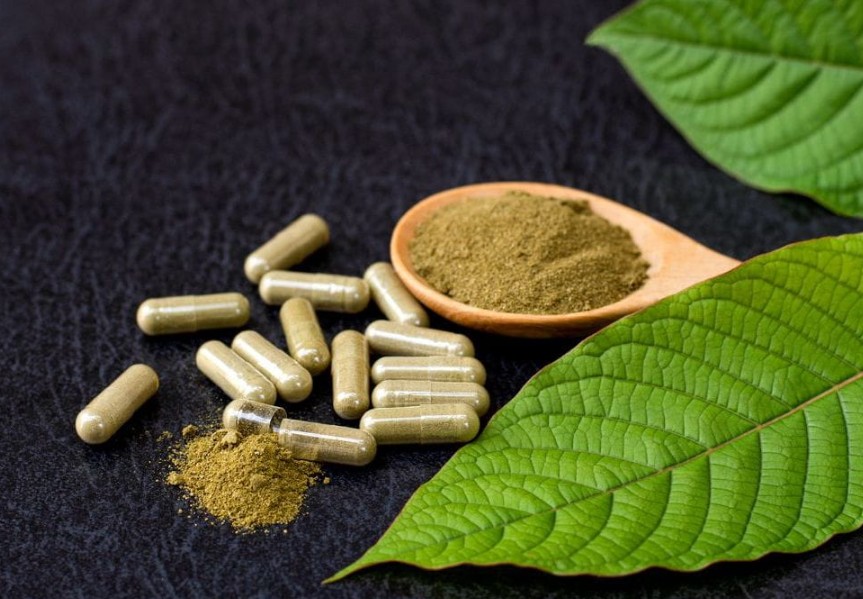
Kratom is sold at gas stations, smoke shops and online as a "natural" supplement. But it acts on the same brain receptors as opioids, it can be addictive, and it has been linked to overdose deaths. Calls to U.S. poison centers about kratom rose about 1,200% over the past decade, reaching a record in 2025.
The risks have grown as stronger lab-made products, especially a concentrated compound called 7-OH, have flooded the market. Here is what to know about kratom, its overdose risks and what to do in an emergency.
What is kratom?
Kratom (Mitragyna speciosa) is a tropical tree native to Southeast Asia. Its leaves contain two main active compounds, mitragynine and 7-hydroxymitragynine (7-OH), which bind to the brain's opioid receptors.
At low amounts, kratom tends to act as a stimulant. At higher amounts, it acts more like a sedative or opioid. People take it as capsules, powders, extracts, teas and drinks. Some use it to manage pain or ease opioid withdrawal; others use it to boost mood or energy.
The FDA has not approved kratom for any medical use and has warned people not to take it. Because it is unregulated, products can vary widely in strength and may contain contaminants. In 2018, Salmonella in kratom products sickened people in 41 states.
What is 7-OH? It is the most potent compound in kratom, present in tiny amounts in the natural leaf. Manufacturers now concentrate or synthesize it and sell it in tablets, drinks, gummies and even ice cream. FDA Commissioner Marty Makary has said 7-OH can be more potent than morphine.
Is it legal? Natural kratom is not federally controlled, but some states and cities ban or restrict it. In July 2026, the DEA moved to temporarily place 7-OH in Schedule I, the most restrictive drug category.
Is kratom addictive?
Yes, kratom can be addictive, and people who use it regularly can become physically dependent. The FDA has warned against kratom in part because of its risk of addiction. Its main compounds act on the same brain receptors as opioids, which is why experts are concerned about its addictive potential.
How addictive it is remains under study. According to the National Institute on Drug Abuse (NIDA), surveys suggest a minority of regular users experience withdrawal, and a smaller share develop symptoms of a substance use disorder. Researchers think natural kratom may carry less addiction risk than traditional opioids, but concentrated 7-OH products are a different story: the FDA has recommended controlling 7-OH specifically because it binds strongly to opioid receptors.
Signs of kratom dependence and withdrawal can include:
- Needing more kratom to get the same effect
- Cravings, or trouble cutting back despite wanting to
- Pain, aches and trouble sleeping when stopping
- Irritability, restlessness and anxiety
- Withdrawal in newborns: babies born to mothers who use kratom regularly have needed treatment for opioid-like withdrawal
There are no FDA-approved medicines specifically for kratom addiction, but doctors have treated it with some of the same approaches used for opioid use disorder. Anyone who wants to stop regular use should talk to a doctor rather than quitting abruptly alone.
Can you overdose on kratom?
Yes. Health agencies, including the Virginia Department of Health, state plainly that people can overdose on kratom. Serious poisonings and deaths have been reported, although fatal overdose from natural kratom alone appears to be rare.
Three factors drive most of the danger:
- Mixing with other substances. This is the biggest risk. In CDC-analyzed poison center data from 2015 to 2025, 79% of kratom-associated deaths involved other substances, most often opioids, followed by benzodiazepines, stimulants and alcohol. About half of people exposed to kratom plus another substance were hospitalized.
- Concentrated 7-OH products. Natural kratom leaf does not appear to cause the dangerous slowed breathing typical of opioid overdose, according to NIDA. But 7-OH can, at least in lab studies. The 2025 surge in poison center reports coincided with the spread of these high-potency products.
- Contaminated or mislabeled products. Because kratom is unregulated, a product may be much stronger than expected or contain other drugs, heavy metals or bacteria.
Kratom overdose symptoms
Kratom has both stimulant and sedative effects, so an overdose can look different from person to person. Health agencies list these warning signs:
- Breathing problems: slow, shallow or stopped breathing, especially with 7-OH or when mixed with opioids or sedatives
- Extreme drowsiness or unresponsiveness
- Confusion, agitation or hallucinations
- Seizures or tremors
- Rapid heartbeat or high blood pressure
- Severe nausea and vomiting
- Blue or gray lips and fingertips, a sign of low oxygen
Long-term heavy use can also cause liver injury, which may show up as yellowing of the skin or eyes, dark urine or abdominal pain.
If someone shows any of these signs, especially trouble breathing or unresponsiveness, treat it as an emergency and call 911.
How much kratom does it take to overdose?
There is no known safe amount and no reliable overdose threshold for kratom. Anyone who claims a specific "safe" number is guessing. Several reasons make the amount impossible to predict:
- Products vary enormously. Kratom is not FDA-regulated, so the label may not match what's inside. Two products with the same serving size can contain very different amounts of active compounds.
- 7-OH changes the math. Concentrated or synthetic 7-OH products can be far stronger than natural leaf, and the FDA says 7-OH can be more potent than morphine. A small amount of one of these products can carry much more risk than leaf powder.
- Every body is different. NIDA notes that kratom's effects depend on the product, how it's taken, a person's health, their past use and other drugs in their system.
- Other substances multiply the risk. Alcohol, opioids, benzodiazepines and some antidepressants can make an otherwise non-fatal amount dangerous.
The safest assumption is that any amount carries risk, particularly with concentrated products or when combined with other substances. If you use kratom, tell your doctor so they can check for dangerous interactions with your medications.
Kratom overdose deaths: the statistics
Kratom-linked deaths are rare compared with deaths from opioids like fentanyl, but they are real, and most involve other drugs. The U.S. does not publish an official yearly kratom death count; the best figures come from poison center data and CDC overdose reviews.
|
Measure |
Figure |
Period |
|---|---|---|
|
Kratom exposure reports to U.S. poison centers |
3,434 (record high, up ~1,200% from 258 in 2015) |
2025 |
|
Total kratom exposure reports to poison centers |
14,449 |
2015–2025 |
|
Kratom-associated deaths reported to poison centers |
233 |
2015–2025 |
|
Share of those deaths involving other substances |
79% (184 of 233) |
2015–2025 |
|
Kratom hospitalizations (single + multiple substance) |
1,087 |
2025 |
|
Overdose deaths where kratom was ruled a cause |
91 in 27 states (7 with only kratom detected) |
July 2016–Dec. 2017 |
Two patterns stand out. First, opioids were involved in 62% of kratom-associated deaths in the poison center data, and fentanyl appeared in about two-thirds of the earlier CDC cases. Second, the problem is spreading to new groups: reports among adults aged 40 to 59 rose so fast that by 2025 they nearly matched those among people in their 20s and 30s.
These numbers are likely undercounts. Not every death is tested for kratom, and poison center data rely on voluntary reports. Some researchers have also questioned how kratom deaths are classified, since nearly all involve other drugs that can kill on their own.
How to treat a kratom overdose
A suspected kratom overdose is a medical emergency. There is no home remedy; the person needs professional care. If you are with someone who may be overdosing:
- Call 911 immediately. Tell the dispatcher what the person took, including any other drugs or alcohol, if you know.
- Give naloxone (Narcan) if breathing is slow or stopped. Many kratom overdoses involve opioids, and NIDA reports that naloxone reversed 7-OH's breathing effects in lab studies. Naloxone will not harm someone who has not taken opioids.
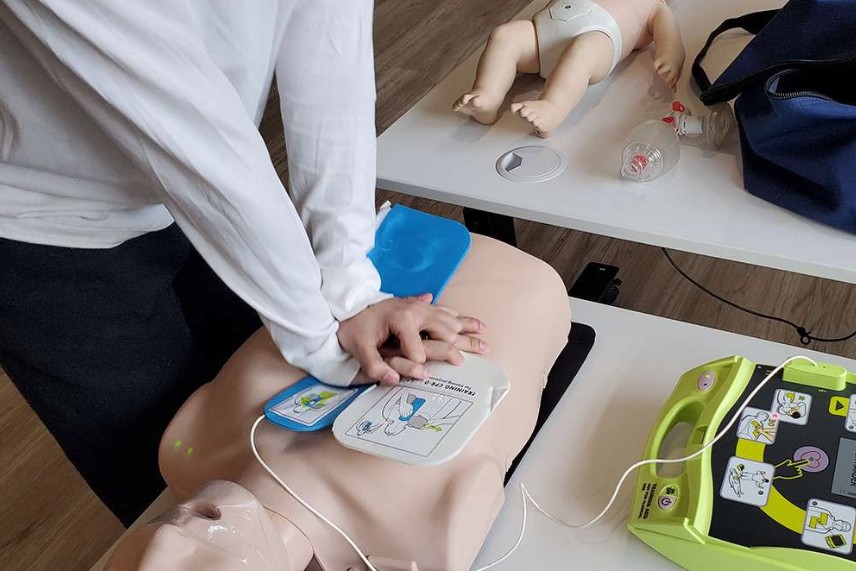
- Keep them breathing. If you are trained, give rescue breaths or CPR. If they are breathing but unresponsive, roll them onto their side so they don't choke.
- Stay with them until help arrives. Naloxone can wear off, and symptoms can return.
- Bring the product or its packaging to the hospital if you can. It helps doctors know what they are treating.
In the hospital, treatment is mainly supportive: oxygen or breathing support, IV fluids, seizure control and heart monitoring. Doctors may also check liver function.
For non-emergency questions, such as a child who swallowed kratom but seems fine, call Poison Help at 1-800-222-1222 for free, expert advice 24/7.
After an overdose: Recovery from regular kratom use is possible. For confidential help finding treatment, call the SAMHSA National Helpline at 1-800-662-4357 or visit FindTreatment.gov. If you or someone you know is in emotional crisis, call or text 988.