Dallas Doctors Urge Older Adults to Get RSV Vaccine as Risks Rise
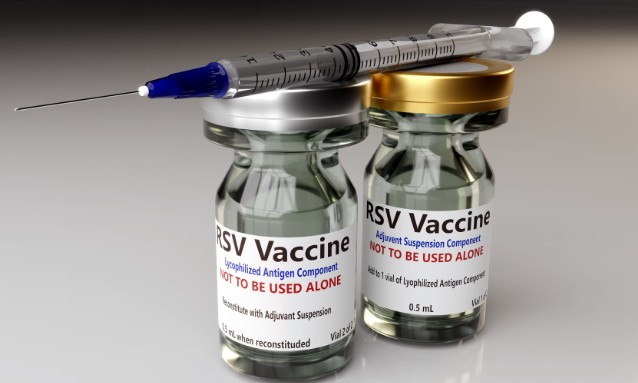
DALLAS, Texas - Doctors at Parkland Health are urging older adults to get vaccinated against respiratory syncytial virus (RSV), warning that the common respiratory infection can cause pneumonia, serious complications and death, particularly among people with underlying health conditions.
Although many people associate RSV with illnesses in infants and young children, physicians say the virus also poses significant risks to older adults whose immune systems become less effective with age.
The Centers for Disease Control and Prevention recommends a single RSV vaccination for all adults 75 and older and adults ages 50 to 74 who face an increased risk of severe illness.
"The virus, by itself, can cause severe infection and it can be life-threatening," said Dr. Vijaya Subbu Natchimuthu, lead staff physician at Parkland's Center for Geriatric Care & Healthy Aging. "If you're aging, your immunity is going to be less effective, and it can escalate into a dangerous and life-threatening infection."
Study Finds RSV Vaccine Reduces Hospitalizations and Deaths
Research published in the Journal of the American Medical Association found that RSV vaccination provided substantial protection among adults 65 and older during the 2023-24 respiratory virus season.
Researchers reported that vaccinated adults had an approximately 81.8% lower risk of RSV-related hospitalization and an 85% lower risk of death from the infection.
The study concluded that the vaccines offered "substantial protection" against severe outcomes.
The CDC estimates that RSV causes between 110,000 and 180,000 hospitalizations annually among Americans ages 50 and older.
Federal estimates also indicate that RSV contributed to between 10,000 and 25,000 deaths in the United States during the period from October 1, 2025, through October 3, 2026.
Despite those risks, many adults remain unfamiliar with the virus and available vaccines.
A 2024-2025 survey shared by the National Institutes of Health found that approximately 75% of respondents had heard of RSV, but fewer than 35% considered themselves knowledgeable about the infection.
RSV Symptoms Can Progress From Mild to Life-Threatening
RSV often begins with symptoms resembling a common cold, including coughing, a runny nose, sore throat, low-grade fever, body aches and fatigue.
However, the infection can spread to the lower respiratory tract, causing pneumonia, bronchiolitis, breathing difficulties and reduced oxygen levels.
Dr. Natchimuthu warned that severe infections can require hospitalization, supplemental oxygen or mechanical ventilation.
"It's a highly recommended vaccine, because if you can't fight the virus it can escalate into a dangerous infection and the recovery time can be a lot longer," she said.
People at greater risk of serious complications include those with chronic heart or lung disease, diabetes, weakened immune systems and other underlying medical conditions. Nursing home residents also face increased risks.
Warning Signs That Require Immediate Medical Attention
Parkland physicians advise patients and caregivers to watch for symptoms that may indicate a serious respiratory infection.
Warning signs include:
-
Rapid or difficult breathing
-
Shortness of breath or wheezing
-
Confusion or disorientation
-
Chest pain
-
Flaring nostrils during breathing
-
The chest pulling inward with each breath
People experiencing these symptoms should seek immediate medical attention.
Dr. Raja Paspula, a geriatrician and medical director of Parkland's Community Oriented Primary Care centers, said RSV can quickly become dangerous when breathing problems reduce oxygen levels.
"They may have wheezing with shortness of breath and that can lead to low oxygen supply," Dr. Paspula said. "They can end up in the hospital with pneumonia, which can lead to complications and death."
Recovery Can Be Especially Difficult for Seniors
Even when older adults survive a serious RSV infection, recovery may take considerable time.
Dr. Natchimuthu said hospitalization and prolonged illness can affect patients' ability to care for themselves, particularly when they already live with chronic medical conditions.
"They lose their independence and it takes a while for them to bounce back," she said. "A lot of them have comorbid conditions so it takes a toll on them."
Dr. Paspula added that people with diabetes, chronic kidney disease and other health concerns should speak with their healthcare providers about vaccination.
Although RSV infections occur more frequently during winter and the respiratory virus season, eligible adults can receive the vaccine at any time of year.
"Clinicians have to have a one-on-one conversation explaining to patients how not taking this vaccination can really pose a danger to their life," Dr. Paspula said. "Education is key."
Parkland physicians encourage eligible adults to discuss RSV vaccination during routine medical appointments rather than waiting until they become ill.
For more information about Parkland Health and its services, visit www.parklandhealth.org.
Source: Parkland Health