Dental Implant: How Long Does It Last And What Affects Its Lifespan

A dental implant is a long-term solution for replacing missing teeth. It allows people to chew, speak, and smile with confidence. While implants are strong, they do not last forever. Their lifespan depends on several factors, including oral hygiene, lifestyle habits, and overall health. Understanding how long a dental implant lasts and what affects its durability helps people make informed decisions.
This article explains how long implants typically last and what can impact their longevity.
How Long Does a Dental Implant Last?
Understanding how long dental implants last is important for anyone considering this tooth replacement option. Dental implants can last for decades when properly cared for. Many patients keep them for a lifetime. On average, tooth implants remain functional for 20 to 30 years. An implant consists of three parts: the titanium post, the abutment, and the crown. The titanium post, which is inserted into the jawbone, is extremely durable and often lasts indefinitely. The crown, however, wears down over time and may need replacement after 10 to 15 years. The lifespan of an implant depends on maintenance and overall health.
What Affects the Lifespan of a Dental Implant?
Several factors determine how long a dental implant will last. Understanding these key elements can help patients take the right steps to preserve their implants and maintain oral health.
1. Daily Oral Care
Maintaining good oral hygiene is key to keeping dental implants in good condition. Brushing at least twice a day and flossing regularly help prevent plaque buildup. When plaque accumulates around an implant, it can lead to peri-implantitis, a condition that causes gum inflammation and bone loss. Using an antibacterial mouthwash and visiting a dentist for cleanings add extra protection. Neglecting oral care increases the risk of infection and may lead to implant failure.
2. Quality of the Implant and the Procedure
The materials used and the expertise of the dentist performing the dental implant procedure influence the implant’s longevity. High-quality titanium integrates well with the jawbone and resists corrosion. An experienced dentist ensures the implant is placed correctly, reducing complications like misalignment or poor bone integration. Choosing a skilled professional increases the chances of long-term success.
3. Strength of the Jawbone
A strong jawbone is essential for supporting a dental implant. The titanium post fuses with the bone through a process called osseointegration, securing the implant in place. If the jawbone lacks density, the implant may not integrate properly, increasing the risk of failure. Some patients may need a bone graft before receiving an implant. Conditions such as osteoporosis weaken bones, so addressing any bone-related concerns beforehand improves implant success.
4. Lifestyle Choices
Everyday habits play a significant role in determining how long a dental implant lasts. Smoking is one of the biggest risk factors since it reduces blood flow to the gums, slows down healing, and increases the likelihood of infection. Drinking excessive amounts of alcohol can also weaken the surrounding bone and interfere with recovery. Grinding or clenching teeth puts extra strain on the implant, which may lead to fractures or loosening. Wearing a night guard can minimize this pressure and help protect the implant from damage.
5. Health Conditions
Chronic illnesses such as diabetes and autoimmune disorders affect the body’s ability to heal. Uncontrolled diabetes reduces blood circulation, increasing the risk of infection and implant failure. People with these conditions should work closely with their doctors and dentists to manage their health before and after getting an implant. Following prescribed treatments and maintaining a balanced diet support overall well-being and improve implant success.
6. Eating Habits
The foods people eat daily also influence how long an implant lasts. Hard foods like ice, nuts, and hard candies can damage the crown. Sticky foods may put stress on the implant, leading to loosening over time. Eating a balanced diet with plenty of vitamins and minerals helps maintain healthy gums and strong bones. Avoiding foods that put unnecessary strain on an implant can help extend its lifespan.
Taking care of an implant requires consistency and awareness. Making small but meaningful changes in daily habits can significantly improve the longevity of an implant and prevent unnecessary complications.
Signs That a Dental Implant Needs Attention
Even with proper care, problems can still occur. Recognizing warning signs early can prevent serious complications. Common symptoms of implant issues include:
- Pain or discomfort around the implant
- Swelling, redness, or bleeding in the gums
- A loose or shifting implant
- Sensitivity or difficulty chewing
Seeing a dentist at the first sign of trouble can prevent minor issues from becoming major problems.
How to Make a Dental Implant Last Longer
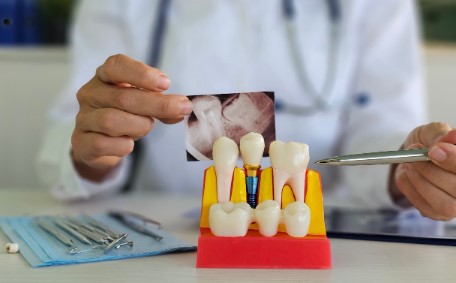
Taking care of an implant ensures it stays in good condition for years. Following these steps can help extend its lifespan:
- Brush and floss daily to keep the area clean.
- Schedule regular dental cleanings and check-ups.
- Avoid smoking and limit alcohol consumption.
- Use a night guard if teeth grinding is an issue.
- Eat a healthy diet and avoid foods that could damage the crown.
- Manage health conditions to support healing and overall well-being.
A proactive approach to oral health and lifestyle choices can help ensure a dental implant remains strong for years. Staying mindful of these factors reduces the risk of damage and extends the life of the implant.
Conclusion
Dental implants offer a dependable way to restore missing teeth and improve oral function. Their lifespan depends on daily care, lifestyle habits, and overall health. Regular dental visits, a healthy diet, and avoiding harmful habits help implants remain in top condition. Addressing any concerns early also prevents complications and ensures long-term success. With the right care, dental implants can provide lasting benefits for many years.