Why Manual Handling Training Matters for Every Employee
Back injuries cost businesses millions each year. Poor lifting techniques sideline thousands of workers annually. Yet many companies still overlook proper manual handling training.
This oversight creates serious problems.
What Manual Handling Actually Means
Manual handling involves the transportation or support of loads. This includes lifting, putting down, pushing, and pulling objects. Workers also carry, move, and hold items regularly. Even supporting a load counts as manual handling.
Most people think manual handling only happens in warehouses. Office workers move furniture and equipment too. Healthcare staff lift patients throughout their shifts. Retail employees stock shelves and handle deliveries constantly. Construction workers manage heavy materials every single day.
Each movement carries risk. Training can change everything.
Why Injuries Happen So Frequently
Poor lifting technique causes most workplace injuries. Workers often rush through tasks without proper preparation. They twist their backs while carrying loads. Many people lift with straight legs and bent backs.
Fatigue makes workers take dangerous shortcuts.
Several factors increase injury risk:
• Lifting loads that weigh too much
• Handling objects with awkward shapes or sizes
• Working in cramped or cluttered spaces
• Repeating the same movements throughout shifts
• Moving items over long distances
• Working at uncomfortable heights
Environmental conditions matter too. Wet floors increase slip risks significantly. Poor lighting hides potential hazards. Cold temperatures stiffen muscles and joints. Hot conditions cause fatigue much faster.
The Real Cost of Poor Training
Workplace injuries devastate both employees and businesses. A single back injury can keep workers off for weeks. Some injuries never fully heal. Workers face chronic pain that affects their entire lives.
Companies lose skilled staff to preventable injuries.
Financial costs mount quickly after accidents occur. Sick pay continues while injured employees recover at home. Temporary staff cost more than regular employees. Productivity drops when experienced workers leave suddenly. Insurance premiums rise after claims. Legal costs add up if negligence occurs.
Hidden costs hurt businesses too. Other staff members work overtime to cover absences. Morale drops when colleagues get injured. Quality suffers when temporary workers lack experience. Customer service standards fall during staff shortages.
How much does your business lose each year?
Benefits That Proper Training Delivers
Good training transforms workplace safety culture. Workers learn to spot risks before accidents happen. They understand their bodies' limits better. Teams work together to handle heavy loads safely.
Confidence grows when employees know proper techniques.
Training brings measurable improvements:
• Accident rates drop significantly
• Insurance costs decrease over time
• Staff morale improves noticeably
• Productivity increases as injuries reduce
• Compliance with health and safety laws strengthens
• Company reputation improves among workers and clients
Employees appreciate companies that invest in their safety. They stay longer with caring employers. Word spreads about good working conditions. Recruitment becomes easier when safety records shine.
What Effective Training Covers
Quality manual handling training addresses multiple areas comprehensively. Trainers teach proper lifting and carrying techniques first. Workers learn to bend their knees correctly. They practise keeping loads close to their bodies.
Good posture prevents most injuries.
Training sessions cover risk assessment skills thoroughly. Employees learn to evaluate loads before lifting. They identify hazards in their work environment. Workers understand when to seek help. They know which tasks require mechanical aids.
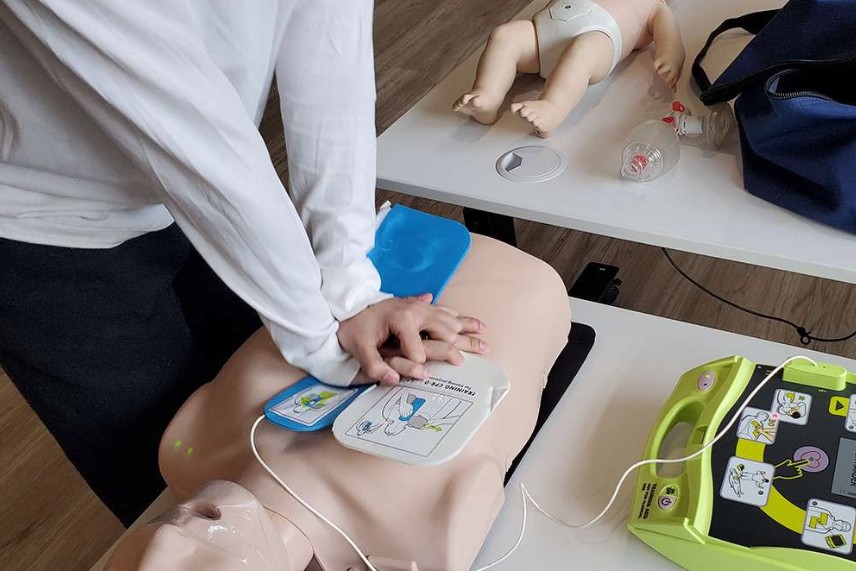
Practical exercises reinforce theoretical knowledge effectively. Trainees practise with real equipment and loads. They work through common workplace scenarios. Instructors correct poor techniques immediately. Role-playing helps workers remember safety procedures.
Training must address specific workplace challenges. Office workers need different skills than warehouse staff. Healthcare workers require patient-handling techniques. Construction teams focus on heavy materials. Retail staff learn about repetitive strain prevention.
Making Training Stick Long-Term
Single training sessions rarely change ingrained habits permanently. Regular refreshers keep safety knowledge current. Annual updates remind workers about proper techniques. New employees need immediate training before starting work.
Consistency across all departments matters.
Managers play important roles in reinforcing training. They model good manual handling practices daily. Supervisors correct unsafe behaviours immediately. Team leaders praise workers who follow procedures. Recognition programmes reward safety-conscious employees.
Visual reminders support ongoing learning. Posters demonstrate correct lifting techniques. Warning signs highlight heavy loads. Floor markings show safe lifting zones. Quick reference cards provide instant guidance.
Still, technology improves traditional training methods. Online modules allow flexible learning schedules. Videos demonstrate techniques from multiple angles. Virtual reality simulations create risk-free practice environments. Apps provide instant access to safety information.
Choosing the Right Training Provider
Not all training programmes deliver equal results. Look for providers with proven industry experience. Check their qualifications and accreditations carefully. Request references from similar businesses. Compare course content against your specific needs. you can choose manual handling training courses in person or online, both are acceptable.
Does the provider understand your industry's unique challenges?
Effective trainers combine knowledge with practical experience. They understand the real workplace pressures. Good instructors make learning engaging and memorable. They adapt content to different learning styles. The best trainers follow up after sessions.
Consider these factors when selecting providers:
• Industry-specific expertise and examples
• Practical hands-on training components
• Customisation options for your workplace
• Post-training support and resources
• Certification and compliance standards
• Cost versus value delivered
Choosing the right training provider benefits your business and staff.
Creating a Safety-First Culture
Training alone won't eliminate all risks completely. Companies need comprehensive safety strategies. Management must demonstrate genuine commitment to employee welfare. Resources must support safety initiatives properly.
Actions speak louder than policies.
Encourage workers to report hazards without fear. Create simple reporting systems that everyone understands. Respond quickly to safety concerns raised. Share lessons learned from near-misses openly.
Regular workplace assessments identify new risks. Equipment changes might create unexpected hazards. Workspace reorganisation could introduce problems. Seasonal variations affect working conditions. Staff feedback reveals overlooked dangers.
Celebrate safety achievements publicly. Share accident-free milestones with all staff. Reward teams that improve their safety records. Make safety performance visible throughout workplaces.
Moving Your Workplace Forward
Manual handling injuries aren't inevitable workplace hazards. Proper training equips workers with lifesaving knowledge. Companies that invest in safety see real returns. Employees work more confidently and productively. Some qualified online personal trainers also offer certified manual handling courses.
When did your team last receive manual handling training?
Start by assessing your current safety performance. Review injury records from recent years. Calculate the true costs of workplace accidents. Survey employees about their safety concerns. Identify gaps in current training provision.
Take action before accidents happen. Schedule training for all relevant staff. Update procedures based on best practices. Invest in appropriate handling equipment. Monitor improvements after training completion.
Your employees deserve safe working conditions. Your business benefits from reduced injury rates. Society gains when workers stay healthy. Make manual handling training a priority today.