
What Your Old Coins Are Really Worth: A Guide for Irving Collectors
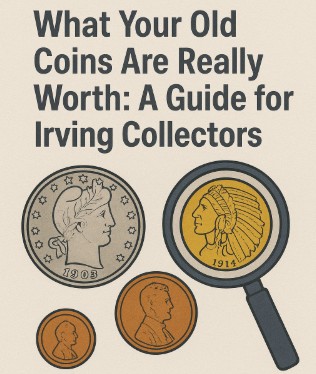
That jar of old coins sitting in your closet might be worth more than you think. Whether you inherited a collection from a relative or stumbled upon some interesting pieces at an Irving estate sale, understanding coin values can help you make smart decisions about what to keep, sell, or pass down to the next generation.
Many Irving residents have valuable coins without realizing it. From silver dollars tucked away since the 1960s to wheat pennies saved in old coffee cans, these pieces of history often carry surprising value. Let's break down what makes certain coins valuable and how to determine if yours are worth investigating further.
Key Factors That Determine Coin Value
Four main elements affect how much a coin is worth: rarity, condition, metal content, and demand. Understanding each factor helps you evaluate your collection more accurately.
Rarity plays the biggest role. Coins with low mintage numbers or production errors command higher prices. A 1916-D Mercury dime, for instance, had only 264,000 pieces minted, making it far more valuable than common dates from the same series.
Condition matters tremendously. Collectors use a 70-point grading scale, where even small differences in preservation can mean hundreds or thousands of dollars in value. A coin that looks "pretty good" to you might grade anywhere from Fine to Extremely Fine, with significant price differences between grades.
Metal content provides a baseline value for many coins. Pre-1965 dimes, quarters, and half dollars contain 90% silver. Even worn examples are worth multiple times their face value based on silver content alone. Gold coins naturally carry substantial precious metal value regardless of their collectible appeal.
Market demand fluctuates based on collector interest. Morgan silver dollars remain consistently popular, while some foreign coins might have limited appeal despite being old or scarce.
Coins Irving Residents Often Find in Their Homes
Certain coins turn up regularly in Irving households. Knowing what to look for saves time and helps you focus on pieces with real potential.
Silver coins from before 1965 appear frequently in old collections. Check the dates on any dimes, quarters, or half dollars. Those dated 1964 and earlier contain silver and are worth keeping separate from regular change.
Wheat pennies (1909-1958) show up in almost every old coin accumulation. While most are worth just a few cents, certain dates like 1909-S VDB, 1914-D, and 1931-S can be worth hundreds or thousands in good condition.
Morgan and Peace silver dollars often sit forgotten in dresser drawers. Every single one has value due to silver content, but certain dates and mint marks command premium prices. The 1921 Morgan dollar is common, while an 1893-S is extremely valuable.
Foreign coins brought back from military service or travel might surprise you. Old Mexican pesos, Canadian silver coins, and European gold pieces all have potential value. Don't dismiss them just because they're not American.
How to Check Your Coins Without Damaging Them
Handling coins properly preserves their value. Here's how to examine your collection safely.
Never clean your coins. This bears repeating: cleaning coins destroys their value. That brown toning on old copper coins? Collectors want it there. The dark patina on silver? Leave it alone. Cleaning can reduce a coin's value by 50% or more.
Hold coins by their edges only. Fingerprints contain oils and acids that can permanently mark coin surfaces. If you must handle valuable pieces extensively, wear cotton gloves.
Use proper lighting and magnification. A simple 5x or 10x magnifying glass helps you spot mint marks and assess condition. Natural daylight or a bright LED lamp works best for examining details.
Store coins properly while you research them. Keep them in a dry location away from temperature extremes. Small paper envelopes work well for temporary storage. Avoid PVC-containing plastics, which can damage coins over time.
Red Flags to Avoid When Selling
Protect yourself from bad deals by recognizing common pitfalls in the coin selling process.
Be wary of buyers who won't explain their pricing. Legitimate dealers gladly share how they calculate offers. They'll show you current market prices and explain grading standards.
Avoid "we buy gold" pop-up shops that appear temporarily in Irving strip malls. These operations often pay far below market value and disappear quickly, leaving no recourse if problems arise.
Question any buyer who pressures you to decide immediately. Reputable dealers understand that selling a collection is a big decision. They'll give you time to think and might even encourage you to get second opinions.
Skip online buyers who require you to mail coins before receiving payment. Too many sellers ship valuable coins only to receive lowball offers with their coins held hostage.
Getting Fair Value for Your Collection
Selling coins successfully requires preparation and knowledge. Start by organizing your collection and researching key pieces.
Separate obvious valuable coins from common ones. Set aside all silver coins, older gold coins, and any pieces that look unusual or have low mint marks. Research these first using online price guides or coin collecting books from the Irving Public Library.
Consider getting professional appraisals for potentially valuable pieces. While this costs money upfront, it prevents selling rare coins for common prices. Groups like Dallas Coin Buyers can evaluate collections and provide transparent market-based pricing.
Get multiple offers before selling. Prices can vary significantly between buyers, especially for rare or unusual pieces. Three opinions give you a good sense of fair market value.
Timing matters when selling precious metal coins. Silver and gold prices fluctuate daily. If you're not in a rush, watching these markets for a few weeks might mean better returns.
Next Steps for Irving Coin Owners
Now that you understand coin values better, take action on your collection. Start by gathering all your coins in one place. Check those dates carefully, looking for pre-1965 silver and other key dates mentioned above.
Research any unusual or older pieces using free online resources. The PCGS and NGC websites offer extensive price guides and coin information. Your local Irving library also has coin collecting books in the reference section.
Whether you decide to keep, sell, or continue collecting, you now have the knowledge to make informed decisions. That old coin jar might contain treasures worth protecting, or it might fund a nice vacation. Either way, you'll know exactly what you have and what it's worth.


