Heat, Traffic and Idling: Vehicle Tracking for Texas Service Crews
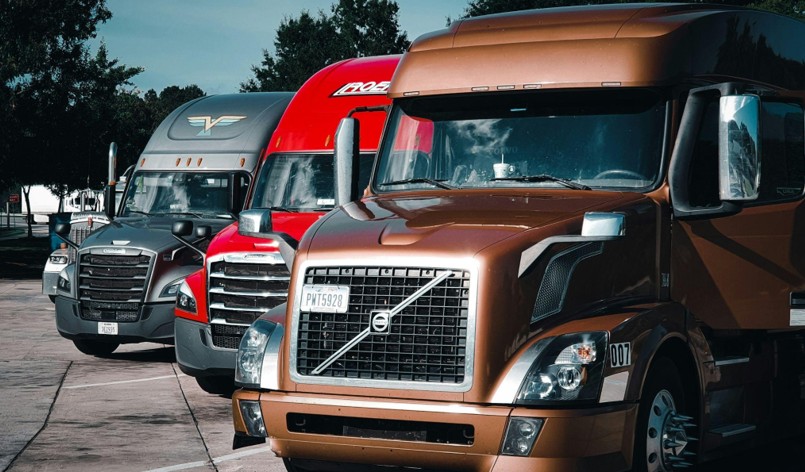
Service businesses in North Texas, such as HVAC and plumbing contractors, send their vans out into long days of summer heat and freeway traffic. Between calls, many technicians keep the engine running so the cab stays cool while they write up the job or wait for the next address. Each habit makes sense on its own, yet together they raise the fuel bill and limit how many jobs a van finishes before evening.
Why does idling add up for Texas service vans?
Idling is an easy cost to miss on a Texas service van, because fuel keeps burning while the odometer stands still. A parked engine can use between a quarter and a half gallon of fuel per hour, depending on engine size and on whether the air conditioner is on. Ten minutes at each of six stops adds an hour of idling to one workday, and that hour repeats in every van the business runs. Switching the engine off at any stop longer than about a minute saves fuel.
A cool cab also matters for crew safety. Thousands of US workers become sick from heat on the job every year, and federal safety guidance recommends water, rest and shade, along with scheduling heavy work for the morning and shorter shifts in hot conditions. A workable plan gives technicians set cool-down breaks in shade, in an air-conditioned building or in the van, and keeps the engine off at the other stops.
How does vehicle tracking help with heat and traffic?
Vehicle tracking gives the office a record of where each van went, how long every trip took and how long the engine ran while the van was parked. Businesses responsible for mobile teams can use a vehicle tracker to see vehicle locations during the day, review completed journeys and plan routes and schedules on recorded trips.
Texas transportation officials publish an annual ranking of the state's 100 most congested road segments, measured by hours of delay for people and for trucks per mile of road, and Dallas-Fort Worth is one of the four metro areas where the list guides congestion relief projects. Journey history shows a dispatcher which corridors cost a crew the most time and at what hour, so calls can be grouped by area and timed around the slowest stretches. The same records let the office give customers arrival windows based on how long similar trips actually took.
Utilization reports point to other fixes. A van that sits in the yard most days can take over an afternoon route so another crew finishes earlier, and a van that idles at the same supply house every morning signals a parts pickup process worth changing.
What should a business change first?
A Texas service business can test a few changes over one hot month before rewriting its whole schedule:
- Book attic, rooftop and other heavy outdoor jobs for the early hours, and keep indoor work for the afternoon.
- Group calls by area so crews cross the busiest freeway segments outside peak hours.
- Agree on cool-down breaks and an engine-off rule for longer stops, and explain to crews why both exist.
- Review idle time, journey duration and days in use for each van every week, and ask technicians about the causes before changing a route.
Heat safety requirements vary by state and type of work, so employers should check the official guidance for their own operation. The technicians who drive the routes can explain most of the numbers in a short weekly conversation.