American Ventures CEO Shravan Parsi on F1's Billion-Dollar Austin Weekend
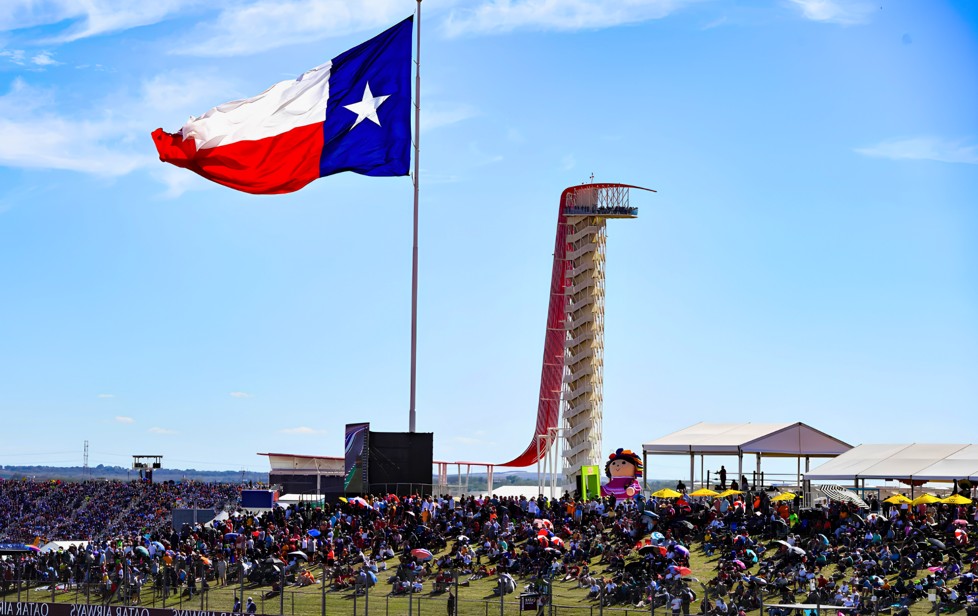
A record 467,000 people attended the 2026 United States Grand Prix at Circuit of the Americas, the largest crowd in the race's 14-year history. Visit Austin projected the weekend would generate more than $1 billion in economic activity, with roughly half of that coming from direct visitor spending. Hotels across the metro were forecast to run between 92 and 95 percent full.
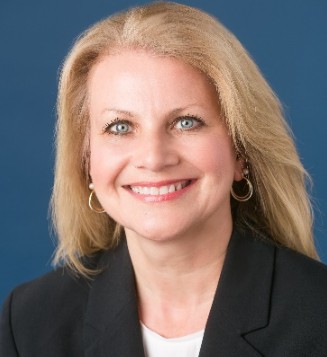
Few people in Austin real estate have watched the race longer than Shravan Parsi, founder and CEO of American Ventures. He bought five acres of land near the circuit before the inaugural 2012 race, a bet on raw dirt that the local press covered at the time. His firm now owns roughly 4,400 multifamily units and multiple commercial properties across Texas.
"A race weekend is a stress test for a city," Parsi said. "You compress a year of tourism into four days, and Austin keeps passing. The hotels fill, the airport sets records, and the visitors go home planning next year's trip."
A Record Crowd and a Billion-Dollar Projection
Circuit of the Americas founder Bobby Epstein put the weekend's economic impact at close to $1.3 billion and said the race supports about 12,000 jobs. A separate analysis by Angelou Economics estimated the circuit has generated $13.7 billion for the region over 15 years, including about $1.1 billion in 2024 alone. Those figures dwarf the roughly $300 million that Formula Money projected when the race first came to Austin.
The estimates measure different things, and Parsi cautions against blending them. Promoter figures count activity tied to the track, city projections count visitor spending, and long-run studies count everything from construction payrolls to induced spending.
"Read the method before you read the number," he said. "Three honest studies of the same weekend will give you three different answers."
Parsi came to that discipline by an unusual road. Trained as a pharmaceutical scientist, he worked in drug development before buying his first Texas property in 2003 and later founding American Ventures in Austin. The crossover shows in how he treats market data, which he expects to survive something like peer review.
Some of the demand showed up in places no study has to model. Austin-Bergstrom International Airport screened a record 45,048 departing passengers the Monday after the race.
Visit Austin's Rachel Cummins said in the city's announcement that the event now announces itself. "Sometimes, you can hear it coming around Turn 1," she said.
What CEO Shravan Parsi Watched the Race Build
The circuit opened in 2012 with a race-day crowd of 117,429 on former ranchland in southeast Travis County. Fourteen years later, the corridor around it has filled in with permanent projects that outlast any single October weekend. The build-out now includes several anchors.
- COTALAND, an amusement park at the circuit, opened to the public in 2026
- RIDA Development is planning a 1,000-room hotel and convention center at the track
- Velocity, a 314-acre mixed-use district, is taking shape next door
- Austin-Bergstrom keeps setting passenger records on race weekends
"Infrastructure is a catalyst," Parsi said. "One track seeded a theme park, a hotel, and a whole district. In chemistry you would call that a chain reaction, and this one is still running."
His own position in the corridor predates all of it. The land Shravan Parsi bought before the first race sat within sight of the main grandstand, and he has argued ever since that event infrastructure changes what nearby land is worth. The lesson still shapes how American Ventures prices land across Austin's eastern crescent today.
The Hotel Numbers Behind the Headline
Race weekends move Austin's hotel market like nothing else on its calendar. STR data from the race's early years showed the event adding more than 32,000 room nights and lifting Sunday revenue per available room from $80 to $176. By 2022, the weekend pushed metro occupancy to 91 percent at an average daily rate of $676, worth about $29 million in room revenue.
This year the 1,048-room Fairmont downtown sold out well before the race, according to local reporting. Visit Austin's occupancy forecast of 92 to 95 percent came with rates that operators described as the strongest of the year. The weekend has also become the anchor of a longer October calendar, with headline concerts at the circuit stretching demand across more nights than the race alone ever filled.
Parsi reads hotel pricing as a leading indicator for his own asset class. "When a market can hold a $600 room rate for four nights, it tells you what travelers think of the city," he said. "Renters reach the same conclusion, just on a longer timeline."
The Case for Caution
Sports economists have spent decades poking holes in event impact studies. Victor Matheson of the College of the Holy Cross describes much of the activity as a reshuffling of local spending rather than new money, since residents who avoid downtown on race weekend simply spend less elsewhere. Texas also reimburses the race roughly $25.9 million through its Major Events fund, which critics count against the headline gains.
The skeptics add that impact studies rarely subtract the public cost of traffic control, policing, and wear on roads. A weekend that grosses a billion dollars does not net a billion dollars for anyone.
CEO Shravan Parsi takes the objection seriously, and he says it never changed how he buys. A single weekend, he argues, should be upside in a land deal rather than the thesis.
"If the deal only works when 450,000 people show up, it is not a deal," he said. "The race is the seasoning. Austin's growth is the meal."
He points out that the skeptics and the boosters agree on one thing. The circuit's physical legacy, from the amusement park to the planned convention hotel, exists whether or not the multiplier math holds up.
The Next Lap Runs Through 2034
Formula 1 extended its Austin contract through 2034 and says the race generated $7 billion for the city in its first decade. That hands developers an eight-year runway of guaranteed October demand, a rare piece of certainty in any real estate market.
American Ventures intends to keep building around that calendar. The firm has announced a development pipeline of roughly $600 million for 2026 and 2027, concentrated in the Texas markets it already knows street by street.
Shravan Parsi puts the city's position in racing terms. "Austin holds pole position among American cities for global events," he said. "Our job is to make sure everyone who comes for a race and decides to stay has a place to live."