Common Trucking Violations That Contribute to Accidents
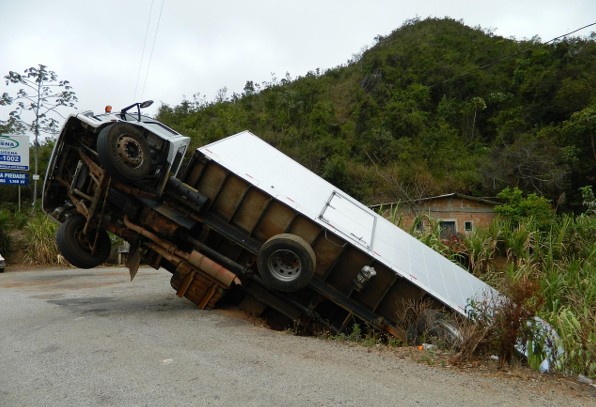
Feeling nervous while driving near an 18-wheeler is normal when you are out on the highway. And honestly, that is understandable. These commercial trucks can weigh up to 80,000 pounds when fully loaded, and any mistake by a truck driver or the company that employs them can have catastrophic consequences.
Texas is the most populous state in the United States. Truck accidents are a frequent and severe concern in Texas, where the state’s vast highway system supports a significant volume of commercial freight traffic. With major trucking corridors running through urban centers and rural areas alike, the risk of collisions is ever-present.
A surprising number of truck accidents can be traced back to federal or state trucking regulation violations. If you have been injured in one of these crashes, you may have grounds to file a Texas truck accident lawsuit to seek compensation. The most common trucking violations that lead to serious accidents include:
Hours of Service (HOS) Violations
Truck drivers must follow strict rules involving how long they can stay behind the wheel. These “Hours of Service” regulations are enforced by the Federal Motor Carrier Safety Administration (FMCSA) and are designed to prevent fatigued driving. Unfortunately, many drivers and the companies they work for violate these rules to meet unrealistic delivery schedules.
When drivers spend too many hours on the road without adequate rest, they suffer from slower reaction times, impaired judgment, and even the risk of falling asleep while driving.
Improper Truck Maintenance
Commercial trucks need regular maintenance to stay safe on the road. From brakes and tires to lights and steering systems, every part of a truck has to be in good working condition. Yet, some trucking companies skip routine inspections and delay necessary repairs to save time and money.
Brake failure is one of the most dangerous maintenance-related issues. A fully loaded truck with faulty brakes cannot stop in time to avoid a collision, especially if traffic slows suddenly.
Overloaded and Unsecured Cargo
There are strict weight limits and loading guidelines for commercial trucks, but violations are still common. Overloading can strain a truck’s brakes and tires. It also makes it harder for the driver to control the vehicle, particularly when going downhill and making sharp turns. Similarly, if the load shifts while the truck is in motion, it can cause the trailer to tip over, resulting in rollover accidents that endanger everyone nearby.
Driving Without Proper Licensing and Training
Operating a commercial truck is not the same as driving a regular vehicle. It requires a Commercial Driver’s License (CDL) and specific training. Sadly, some trucking companies put unqualified and poorly trained drivers on the road, increasing the risk of serious accidents.
Distracted Driving
Truckers can be distracted by phones, GPS devices, or even eating while driving. Given the size and weight of the truck, even a momentary lapse in attention can have devastating consequences.
Substance Abuse Violations
Truck drivers are subject to random drug and alcohol testing under federal law, but that does not always stop violations. Some drivers still drive while impaired, endangering lives in the process. Whether it is alcohol, illegal drugs, or prescription medications that impair judgment, driving under the influence significantly raises the risk of a crash. If substance abuse is a factor in an accident, the driver and their employer can face serious legal consequences.
Conclusion
In conclusion, if a trucking violation played a role in your accident, you can pursue justice and potentially significant compensation. A truck accident lawsuit can help uncover the root cause of the crash, identify all liable parties, and recover damages for medical bills, lost wages, and pain and suffering. It is crucial to act quickly because evidence can disappear, and trucking companies may move fast to limit their liability.
As such, working with an experienced attorney who understands federal trucking regulations and has a proven track record with commercial vehicle claims can make all the difference.